Practice three · Difficult & complex
The assignments that arrive after someone else has passed.
”Complex” is not a marketing adjective. It means a routine process will not produce credible assignment results, and the scope of work has to be tailored to the property, intended use, available data, and appraisal problem before anyone drives to the property.
Special-purpose property
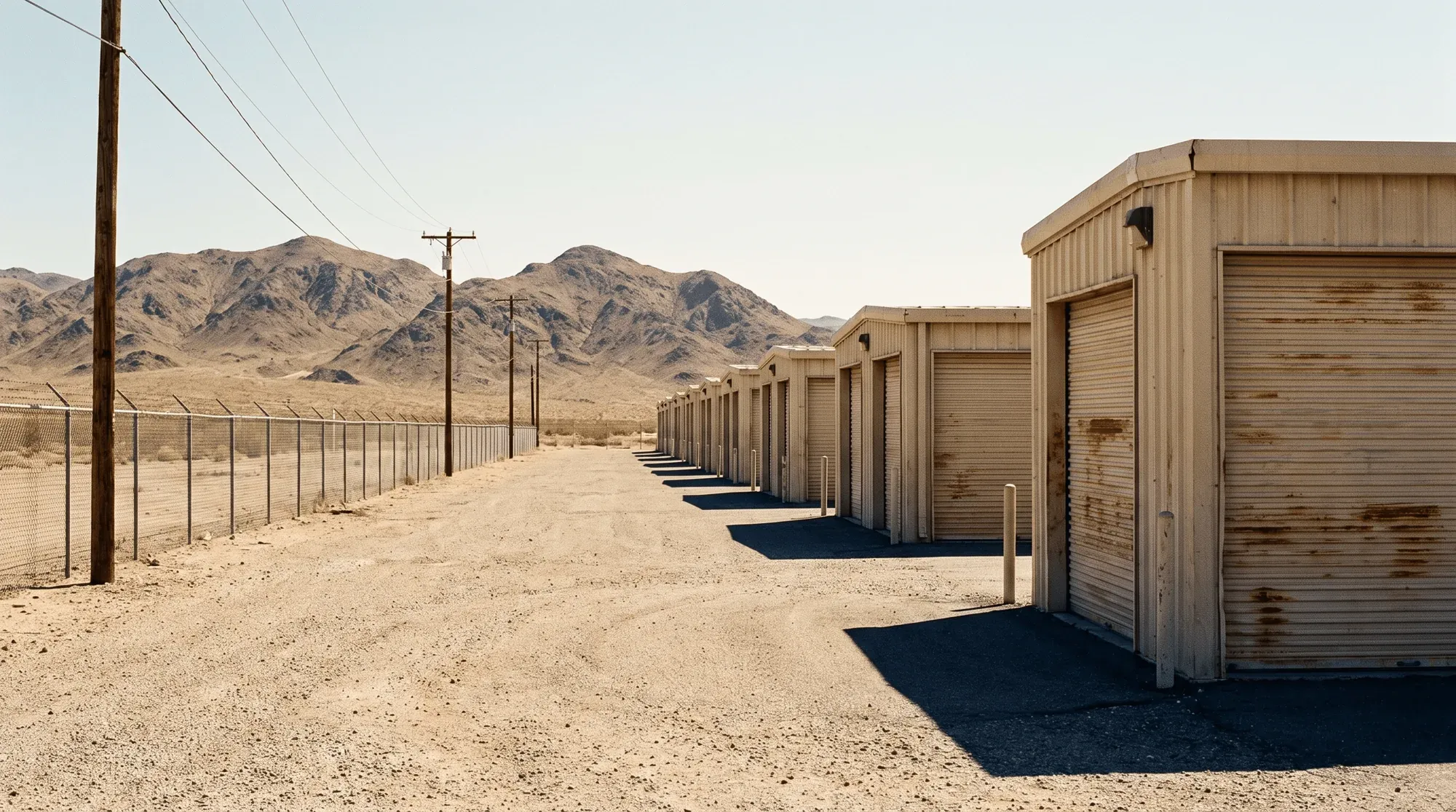
Churches, schools, car washes, self-storage, funeral homes. Little or no sales market, so cost and income carry the value.
Gaming-adjacent property
Separating real property from business enterprise value and from FF&E — and defending the split.
Ground lease, leased fee, leasehold
Three interests, three numbers, one parcel — and the rent escalation clause decides which one matters.
Partial and fractional interests
Undivided interests and tenancies in common, discounts for lack of control and marketability, and the limits of an appraiser’s role.
Contaminated and stigmatized property
Value in the impaired and the unimpaired condition, with every hypothetical condition and extraordinary assumption on the record. Environmental conditions and remediation assessments rely on appropriately qualified environmental professionals.
Unentitled and pre-entitlement land
Zoning, utilities and absorption assumptions carry more of the value than the dirt does.
Water rights and appurtenances
In Nevada water is separately valuable and separately traded — and it does not always convey.
No comparable sales
When sales comparison cannot be credibly developed: say so, support the alternative, and be ready to explain it.
Retrospective value in a disrupted market
A date of separation four years back. The discipline is refusing to use data that did not exist on the effective date.
Excess land, irregular parcels, access problems
Easements, landlocked remnants, and frontage worth more than the depth behind it.